What Is Reflexology Massage? A Complete Guide to Foot & Hand Reflexology
Reflexology is a therapeutic practice based on the belief that specific points on the feet, hands, and ears correspond to different organs and systems throughout the body. By applying targeted pressure to these points, practitioners aim to promote relaxation, improve circulation, and support the body’s natural healing processes.
If you’re searching for the best massage in patong, reflexology is an excellent choice for relieving stress, reducing tension, and restoring balance naturally. Whether you’re visiting Phuket or looking for a relaxing wellness experience, foot and hand reflexology can help you feel refreshed and rejuvenated.
The Core Idea Behind Reflexology
Reflexology operates on the principle that the body is mapped out in miniature on the feet and hands. Practitioners use detailed charts that divide the feet and hands into zones, each linked to a corresponding organ, gland, or body part the liver, lungs, sinuses, spine, and so on.
The theory suggests that when these “reflex points” become blocked or tense, it may reflect or contribute to imbalances in the corresponding body part. Applying pressure to these points is thought to clear blockages, stimulate energy flow, and encourage the body toward balance.
It’s worth noting: reflexology is considered a complementary therapy, not a medical treatment. It’s not a substitute for professional medical care, but many people use it alongside conventional treatment for relaxation and general wellbeing.
Foot Reflexology
Foot reflexology is the most well-known and widely practiced form. The feet are considered especially rich in reflex points because they contain thousands of nerve endings and are believed to house a complete map of the entire body from the top of your head (reflected in the toes) down to your lower back and pelvis (reflected in the heels).
What happens during a session: A typical foot reflexology session starts with a warm foot soak or gentle massage to relax the muscles. The practitioner then uses their thumbs and fingers to apply firm, precise pressure to specific points on the soles, sides, and tops of the feet, working systematically from the toes to the heel.
Commonly targeted areas include:
- Toes : linked to the head, sinuses, and brain
- Ball of the foot : linked to the chest, lungs, and heart
- Arch of the foot : linked to digestive organs like the stomach, liver, and pancreas
- Heel : linked to the lower back, hips, and reproductive organs
Reported benefits:
- Deep relaxation and stress relief
- Improved circulation in the lower extremities
- Reduced tension and muscle tightness
- Better sleep quality
- A general sense of grounding and calm
Many people describe foot reflexology as feeling similar to a deep tissue foot massage but with more intentional, mapped-out pressure points rather than general kneading.
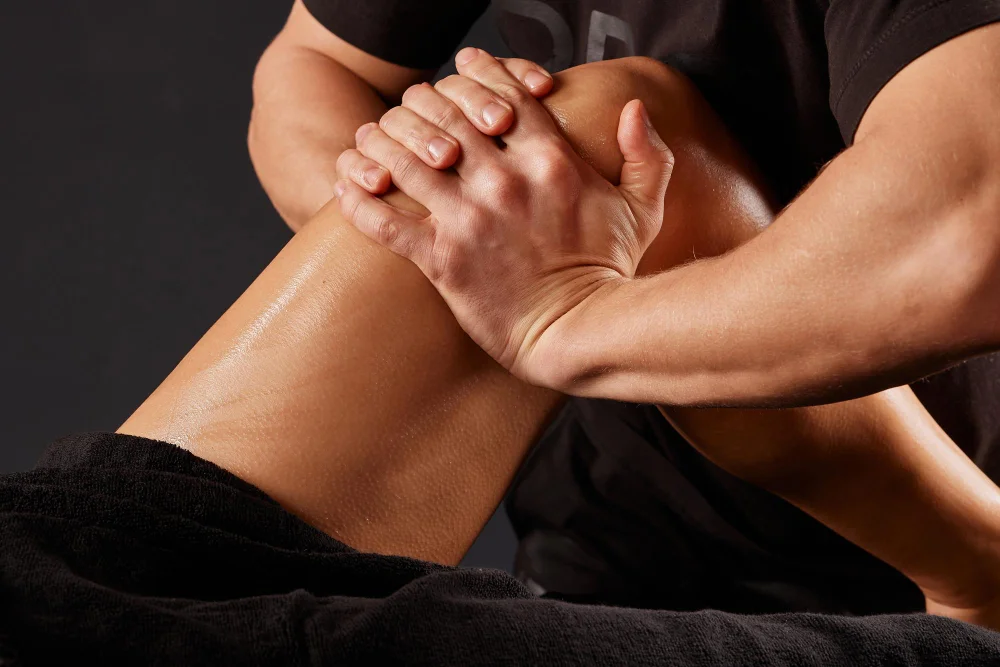
Hand Reflexology
Hand reflexology follows the same underlying philosophy but focuses on the hands instead of the feet. It’s particularly popular for people who are ticklish, self-conscious about their feet, or simply short on time since hand reflexology can often be done anywhere, including at a desk, without removing shoes or socks.
What happens during a session: The practitioner applies pressure to specific points on the palms, backs of the hands, and fingers using thumb and finger techniques similar to those used in foot reflexology. Because the hands are more accessible in daily life, this technique is also commonly taught for self-practice.
Commonly targeted areas include:
- Fingertips : linked to the head and sinuses
- Palm center : linked to the chest and solar plexus
- Base of the palm : linked to the lower back and pelvic organs
- Thumb : often associated with the brain and pituitary gland
Reported benefits:
- Convenient stress relief that can be done in short sessions
- Reduced hand and wrist tension (helpful for people who type or use their hands repetitively)
- A calming effect that can be practiced as self-care between professional sessions
- Easier accessibility for people with foot sensitivity or mobility concerns
What to Expect From Your First Session
- Consultation : The practitioner may ask about your health history, current concerns, and any areas of tension.
- Comfortable setup : You’ll typically sit in a reclined chair or lie on a treatment table.
- Assessment : The practitioner may gently examine your feet or hands to identify areas of tension or sensitivity.
- Treatment : Using thumb and finger pressure, they’ll work through the reflex zones methodically.
- Aftercare : You may be advised to drink water and rest, similar to aftercare following a massage.
Sessions typically last between 30 and 60 minutes, and many people report feeling deeply relaxed sometimes even sleepy afterward.
Frequently Asked Questions
- Is reflexology the same as a regular foot or hand massage? Not quite. While both involve touch and pressure, a regular massage focuses on relaxing muscles and improving general circulation. Reflexology is more targeted, based on the idea that specific points correspond to specific organs and systems in the body.
- Does reflexology hurt? It shouldn’t be painful, though some points may feel tender or sensitive, especially if there’s tension in the corresponding area of the body. A skilled practitioner will adjust pressure based on your comfort level.
- What conditions might reflexology help with? People commonly seek reflexology for stress, anxiety, tension headaches, poor circulation, sleep issues, and general relaxation. It’s important to note that scientific evidence for these benefits is mixed, and reflexology should be viewed as a complementary practice rather than a cure for any medical condition.
- Is reflexology backed by scientific research? Research on reflexology is limited and results are mixed. Some studies suggest benefits for relaxation, stress reduction, and general wellbeing, while others find no significant effect beyond that of a regular massage. More rigorous research is still needed.
- How often should I get a reflexology session? This varies by individual. Some people enjoy a session every few weeks for general relaxation, while others use it more frequently to manage stress or specific discomfort. Your practitioner can help recommend a schedule based on your goals.
- Can I do reflexology on myself at home? Hand reflexology is easier to practice on yourself since your hands are more accessible. Foot reflexology self massage is also possible with a bit of practice, though it can be harder to reach certain points with the right pressure and angle.
- Is reflexology safe for everyone? Reflexology is generally considered safe for most people, but those who are pregnant, have certain foot or hand injuries, blood clots, or specific medical conditions should consult a doctor before trying it. Always inform your practitioner of any health concerns beforehand.
- How is reflexology different from acupressure? Both use pressure-point techniques, but acupressure is rooted in Traditional Chinese Medicine and works along meridian lines throughout the entire body. Reflexology is specifically focused on the feet, hands, and ears, using a distinct mapping system tied to organs and body systems.